

 0 Comments
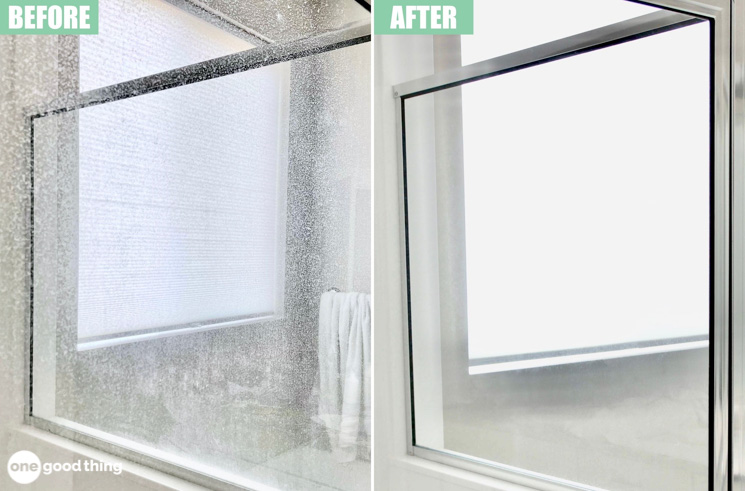
Oh, those chalky, white spots – have you wondered how to remove hard water stains? Learn how to remove hard water stains from glass, showers, and faucets with simple, effective tricks. Discover how to restore shine today! The secret to getting rid of hard water stains for good is using a mild acid, like vinegar or lemon juice, to dissolve the mineral deposits left behind. This simple trick works wonders on everything from faucets to shower doors, breaking down the stubborn buildup without any harsh chemicals.
Why Those Annoying White Spots Keep Showing Up
If you’ve ever battled hard water stains, you know just how frustrating they can be. They creep up on our shiny faucets and cloud our glass shower doors, making even the cleanest surfaces look a little dingy. I’ve spent countless hours in my own home testing what really works, and I’m so excited to share my go-to methods with you.
It all comes down to breaking down those pesky mineral deposits. When water with a high mineral content (mostly calcium and magnesium) evaporates, it leaves that chalky residue behind. Over time, it builds into a tough, scaly layer that seems impossible to scrub away.Learn how to remove hard water stains from glass, showers, and faucets with simple, effective tricks. Discover how to restore shine today!
The Good News You’ve Been Waiting For
The best part? You absolutely don’t need harsh, expensive chemicals to win this fight. In fact, some of the most powerful solutions are probably sitting in your pantry right now! We’re going to dive into simple, powerful cleaners using ingredients you already have.
The secret weapon is acidity. The natural acids in things like vinegar and lemon juice are perfect for dissolving the alkaline mineral deposits that cause hard water stains, making them easy to wipe away.
I’ll walk you through the techniques that have saved my sanity (and my fixtures!) time and time again. I’ve found so many uses for these simple ingredients over the years, and you can find even more of my favorite tricks among my top home cleaning hacks. Get ready to make your home sparkle like new!

My Go-To Hard Water Stain Removers
Before we jump into the step-by-step methods, here’s a quick look at the homemade solutions I rely on most. I’ve found that matching the solution to the severity of the stain is key to getting great results without a ton of scrubbing.
| Stain Level | Best Solution | Why It Works So Well |
|---|---|---|
| Light Spots & Film | Vinegar & Water Spray | A simple 50/50 mix is just acidic enough to dissolve fresh mineral spots on glass and faucets without any fuss. |
| Medium Buildup | Lemon Juice Paste | Mixing lemon juice with a bit of baking soda creates a fizzy paste that clings to surfaces, giving the citric acid time to work. |
| Tough, Crusty Stains | Vinegar-Soaked Cloth | For really stubborn scale, soaking a cloth in pure vinegar and letting it sit on the stain for 30+ minutes does all the hard work for you. |
These are the building blocks for almost every hard water problem you’ll face. Now, let’s get into how to apply them to different surfaces around your house.
My Favorite DIY Stain-Fighting Solutions
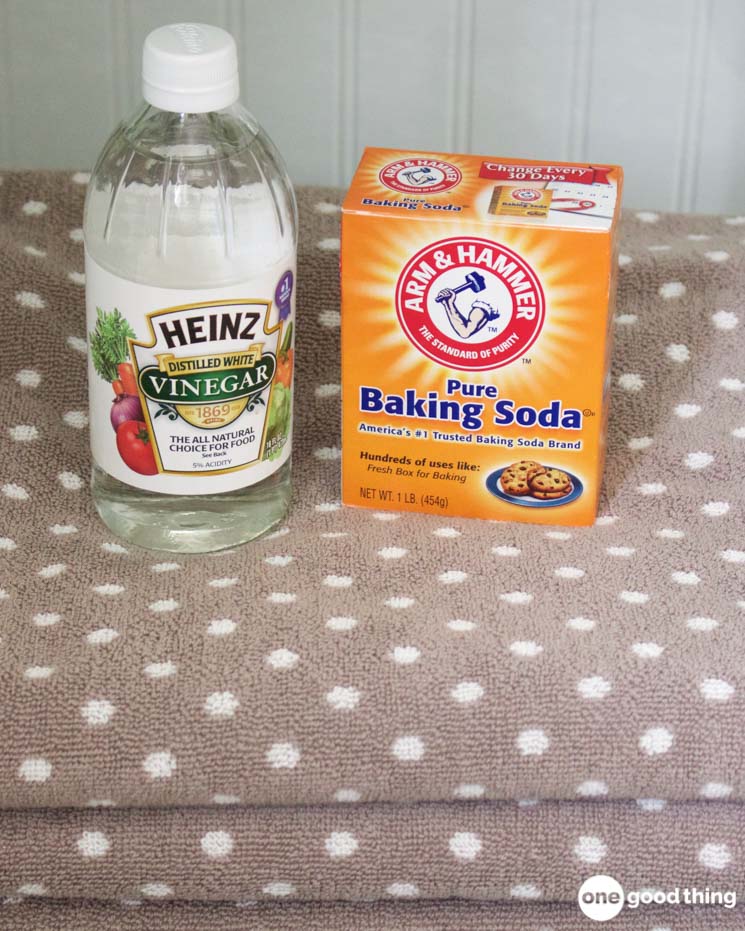
Before you even think about reaching for a store-bought cleaner, let’s take a peek inside your pantry. My absolute favorite weapon in the war against hard water stains is just plain old white vinegar. Its natural acidity is perfect for dissolving those chalky mineral deposits.
It’s all pretty simple science, really. Those annoying spots are mostly calcium carbonate and magnesium left behind when water evaporates. An acid like vinegar comes along and breaks them down chemically, making them a breeze to wipe away.
For the really tough jobs that have been sitting for a while, I like to mix up a simple paste with baking soda and vinegar. The fizzing action you see actually helps lift the grime right off the surface, which means a lot less scrubbing for you!
Simple Recipes for a Sparkling Home
Another great, all-natural option I use is lemon juice. It works a lot like vinegar because of its citric acid, but it leaves behind such a fresh, clean scent. I honestly use both, just depending on what I’m cleaning!
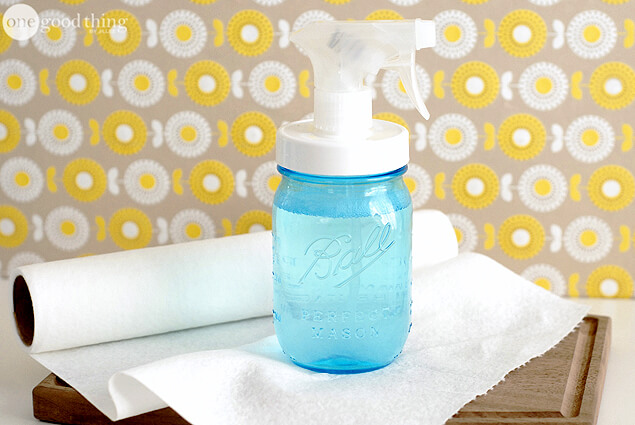
My Go-To Vinegar Spray Recipe: I just mix one part white vinegar with one part water in a spray bottle. It’s my everyday go-to for faucets, countertops, and glass shower doors. I actually have a whole list of the best ways to use vinegar to clean your bathroom that you might find super helpful!
Of course, there are always those times when a stain is so set-in that your pantry ingredients just can’t cut it alone. For those really frustrating spots, you might want to consider a specialized hard water spot remover that’s formulated for maximum power.
More Ideas You'll Love


Restoring Clarity to Glass and Shower Doors
Oh, the dreaded cloudy shower door! It’s one of the most common complaints I hear, and I completely get the frustration. You can scrub the entire bathroom, but if that glass is covered in a chalky film, the whole space just feels… dirty.
But I’ve got a little secret that works like a charm every single time, and it doesn’t involve endless scrubbing. The trick to tackling those stubborn hard water stains on glass is to let your cleaner do the heavy lifting for you. Patience is your best friend here!
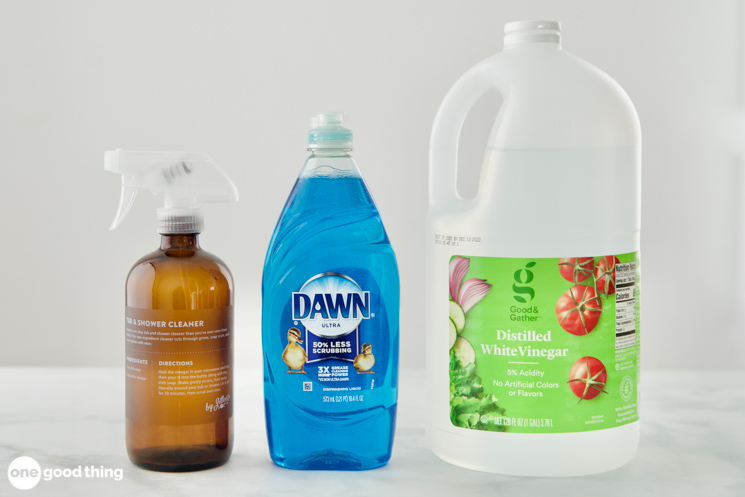
My go-to method is simple: I use my favorite shower cleaner: a 50/50 vinegar and Dawn solution in a spray bottle. I generously spray down the entire glass surface, making sure it’s completely saturated. Then, I just walk away and let it sit for at least 30 minutes. This gives the acid in the vinegar time to really break down and dissolve all those mineral deposits. After half an hour, I just rinse it clean!
Handling Stubborn Buildup
For those really tough, built-up spots that have been there for a while, you might need a bit more power. This is when I bring out the baking soda to create a simple, effective paste.
- Make the Paste: Just mix baking soda with a splash of vinegar—enough to form a thick, spreadable paste.
- Apply and Wait: Smear the paste directly onto the stubborn stains and let it sit for about 30 minutes. You’ll see it fizz a little as it works its magic!
- Wipe Clean: Use a non-scratch sponge or microfiber cloth to gently scrub the area in a circular motion, then rinse it all off with warm water.
I’ve found that the real key is consistency. A quick spray and wipe-down a couple of times a week can prevent that heavy buildup from ever coming back. It’s so much easier to maintain than to deep clean!

For an even easier daily routine, I’ve put together a guide on how to make a powerful homemade daily shower spray that you can use after every shower – no rinsing required. With these simple tricks, you’ll have that crystal-clear glass back in no time!
Making Faucets and Fixtures Sparkle Again
Nothing dulls the shine of a bathroom or kitchen quite like that chalky, white buildup on your faucets and fixtures. Whether it’s chrome, stainless steel, or another finish, you want something that works without accidentally scratching the surface.
My favorite technique for this is so simple it almost feels like cheating! I just soak a few paper towels in white vinegar, wrap them snugly around the stained area, and then walk away for about an hour. It’s a little “set it and forget it” hack that lets the vinegar do all the tough work.
When I come back, the buildup just wipes right off. It’s one of the most satisfying cleaning tasks because the before-and-after is always so dramatic!
This same “set it and forget it” trick works wonders on build up in your toilet bowl and under the rim as well.
More Ideas You'll Love

Getting Into the Nooks and Crannies
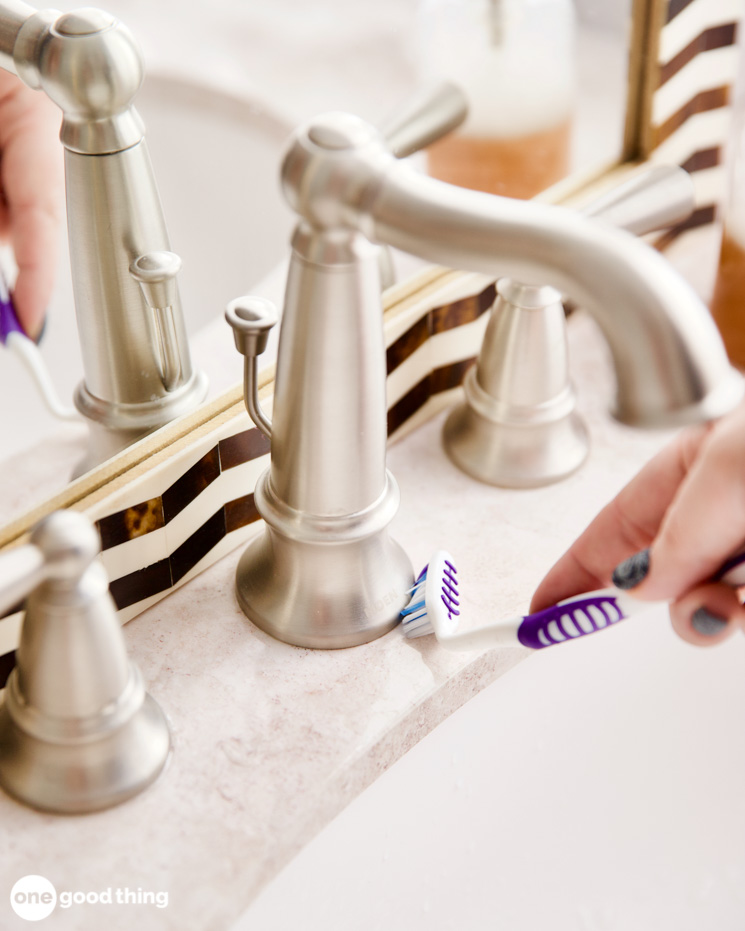
For those tricky little spots, like around the base of the faucet or on the handles, an old toothbrush is your absolute best friend. Just dip it in a little vinegar and gently scrub away any mineral deposits that the paper towel soak missed.
A word of caution: It’s always a good idea to test the vinegar on a small, hidden spot first to make sure it’s safe for your specific fixture. And if you have natural stone countertops like granite or marble, be extra careful not to let the vinegar drip—the acid can cause damage.
This gentle-but-effective approach works beautifully for stainless steel, too. In fact, if you want to give your whole sink a brilliant shine after tackling the faucet, you’ll love my trick for shining your stainless steel sink with flour. It’s another one of those surprisingly simple hacks that delivers amazing results
Keeping Hard Water Stains from Coming Back
After all that work to get everything sparkling, the last thing you want is for those chalky spots to make a comeback! I’ve always found that the very best defense is a good offense, and that’s especially true when you’re trying to prevent hard water stains.
A few simple, consistent habits can save you so much time and elbow grease down the road. It’s all about working smarter, not harder, to stop those mineral deposits from building up in the first place. These small efforts really add up!
My Simple Daily and Weekly Prevention Plan
The easiest trick in the book is to stop water from drying on surfaces. Water spots can’t form if there’s no water left behind!
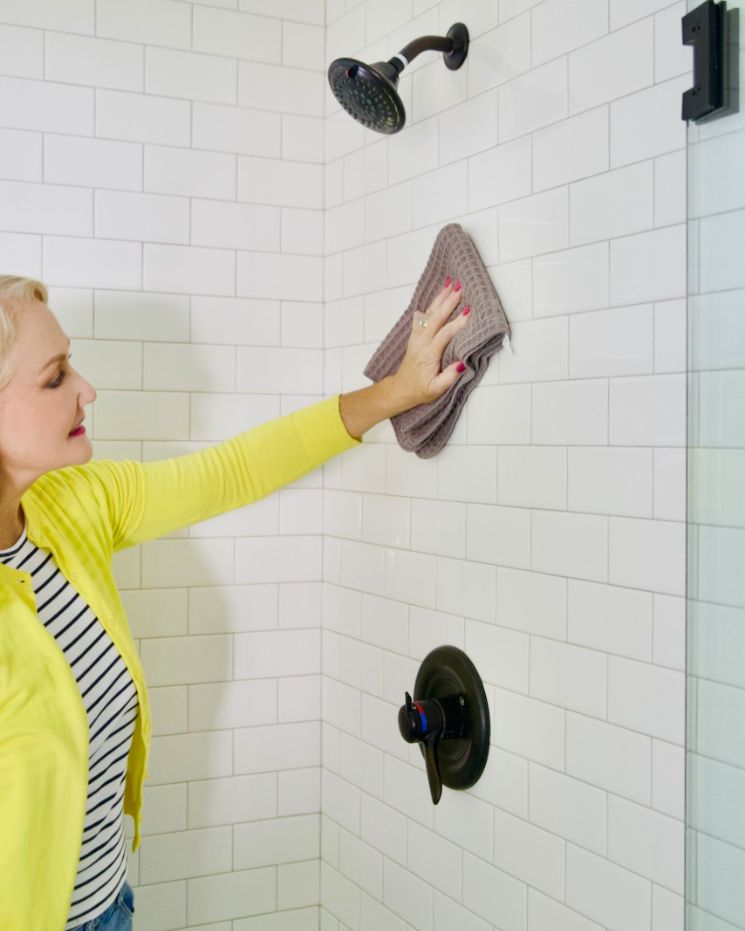
- In the Shower: Keep a microfiber cloth in your bathroom! After you’re done showering, take 30 seconds to wipe down the glass doors and tile. This one little habit makes a huge difference. I wrote a whole post about why this one simple thing will keep your shower cleaner longer, and it’s truly a game-changer.
- Around the Sink: Keep a microfiber cloth under your kitchen and bathroom sinks. After you do dishes or wash your hands, give the faucet and the area around it a quick wipe. This prevents those crusty white rings from forming at the base.
Once a week, I also like to do a quick maintenance spray. Just spritz your faucets, fixtures, and shower doors with that 50/50 vinegar and water solution we talked about. Let it sit for a minute, then wipe it clean.
It’s much easier to spend five minutes a week preventing stains than it is to spend an hour a month scrubbing them away. Consistency is your best friend in the battle against hard water!
By making these quick wipe-downs and sprays part of your regular routine, you’ll keep that brand-new sparkle going and make deep-cleaning days a whole lot easier on yourself.
Your Hard Water Stain Questions Answered
Over the years, I’ve gotten so many great questions about tackling hard water stains. It seems we’re all fighting the same battle against those chalky white spots!
I’ve gathered a few of the most common questions I hear right here, hoping they’ll help you get the best possible results with these simple cleaning methods.
Can I Use These Homemade Solutions on Any Surface?
This is such an important question! My favorite vinegar and lemon juice solutions are fantastic on surfaces like glass, ceramic tile, and most chrome fixtures, but you need to be really careful with natural stone.
Materials like marble, granite, or travertine can be damaged by the acid in vinegar or lemon juice. The acid can actually etch the surface, leaving a dull spot that’s impossible to get rid of.
For any kind of natural stone, it’s always best to use a pH-neutral cleaner made specifically for that material. When in doubt, always test any cleaner in a small, hidden spot first! It’s a simple step that can save you a lot of heartache.
How Long Should I Leave the Vinegar Solution on Stains?
Patience is key here, and the answer really depends on how stubborn the stain is.
For light, recent spots on a faucet or a mirror, letting the solution sit for about 15 to 30 minutes is usually plenty of time.
For more significant buildup, like the kind that makes a shower door look cloudy, I’d give it at least an hour. And for those really tough, crusty messes, you can soak a cloth in vinegar, press it directly onto the stain, and leave it there for several hours or even overnight. The longer it soaks, the less you’ll have to scrub later.
If your DIY methods aren’t quite cutting it on very old stains, you might need something a bit stronger. Before reaching for harsh chemicals, look for a cleaner that uses gentler ingredients like sulfamic acid, which is designed to dissolve minerals without being overly corrosive. Always follow the directions and make sure you have good ventilation.
Where do hard water stains bother you the most?


